Can You Self-Drive in Tanzania?
Yes, Tanzania is a popular destination for travelers who want to experience an independent safari adventure. A self-drive safari allows you to travel at your own pace, choose where to spend more time and enjoy the freedom of exploring Tanzania independently.
The most important part of planning is choosing the right vehicle and preparing your route carefully. National parks and remote safari areas can have challenging roads, limited fuel stations and limited mobile network coverage.
Always plan your fuel stops, accommodation or campsites, park entry requirements and daily driving distances before starting your safari.
Is Tanzania Safe for Self-Driving?
Self-driving in Tanzania can be a rewarding experience when you prepare properly and drive responsibly. The most important thing is to understand that safari driving is different from driving in a city or on major highways.
Wildlife areas can have rough tracks, changing weather conditions and long distances between services. Drivers should always follow local traffic regulations and national park rules.
Important Safety Tips
- Drive at a safe speed and adjust to road conditions.
- Avoid driving after dark in remote safari areas.
- Follow all national park regulations.
- Keep a safe distance from wildlife.
- Carry enough drinking water for your journey.
- Keep your phone and offline navigation ready.
- Inform someone about your planned route when traveling through remote areas.
What Vehicle Do You Need for a Tanzania Self-Drive Safari?
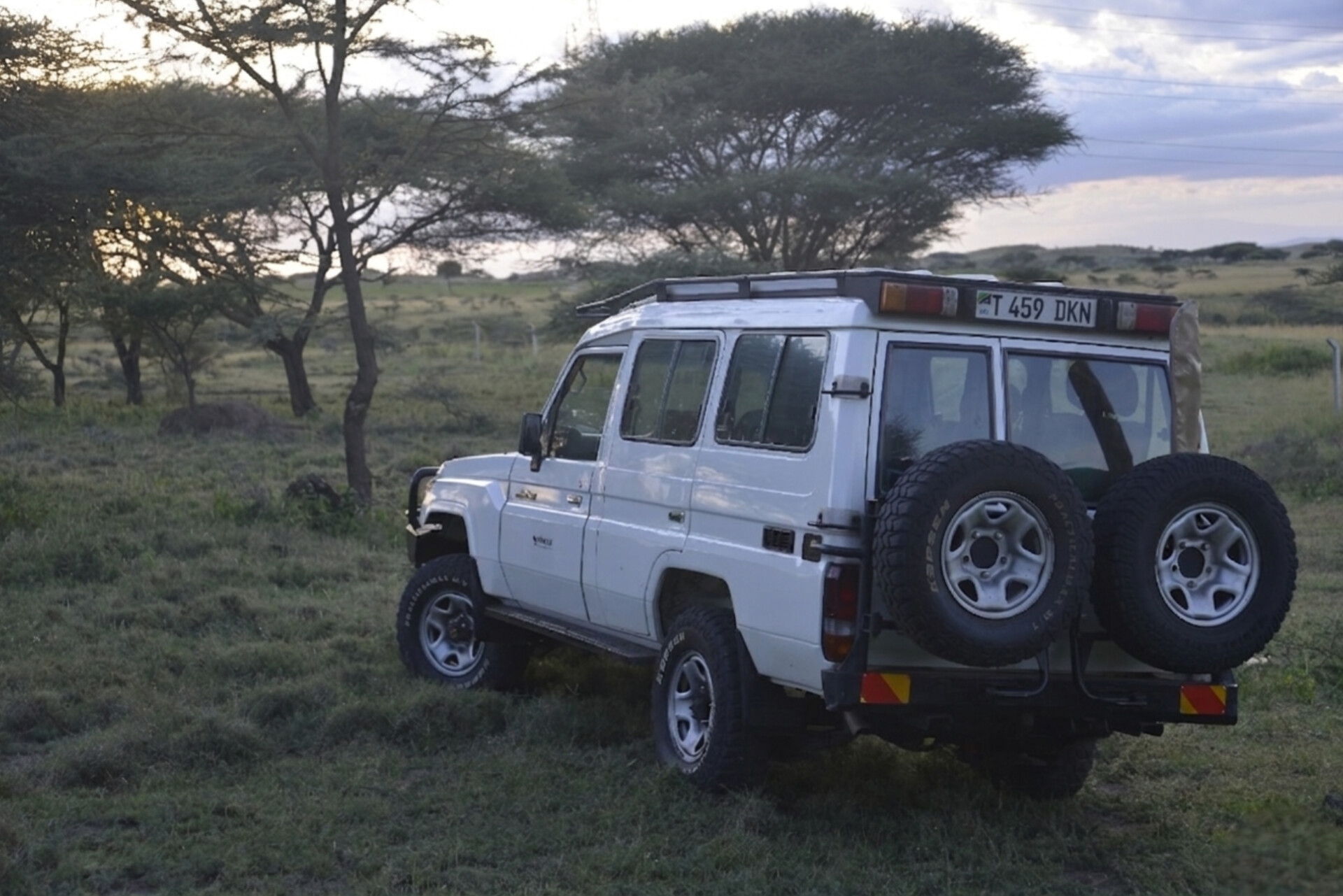
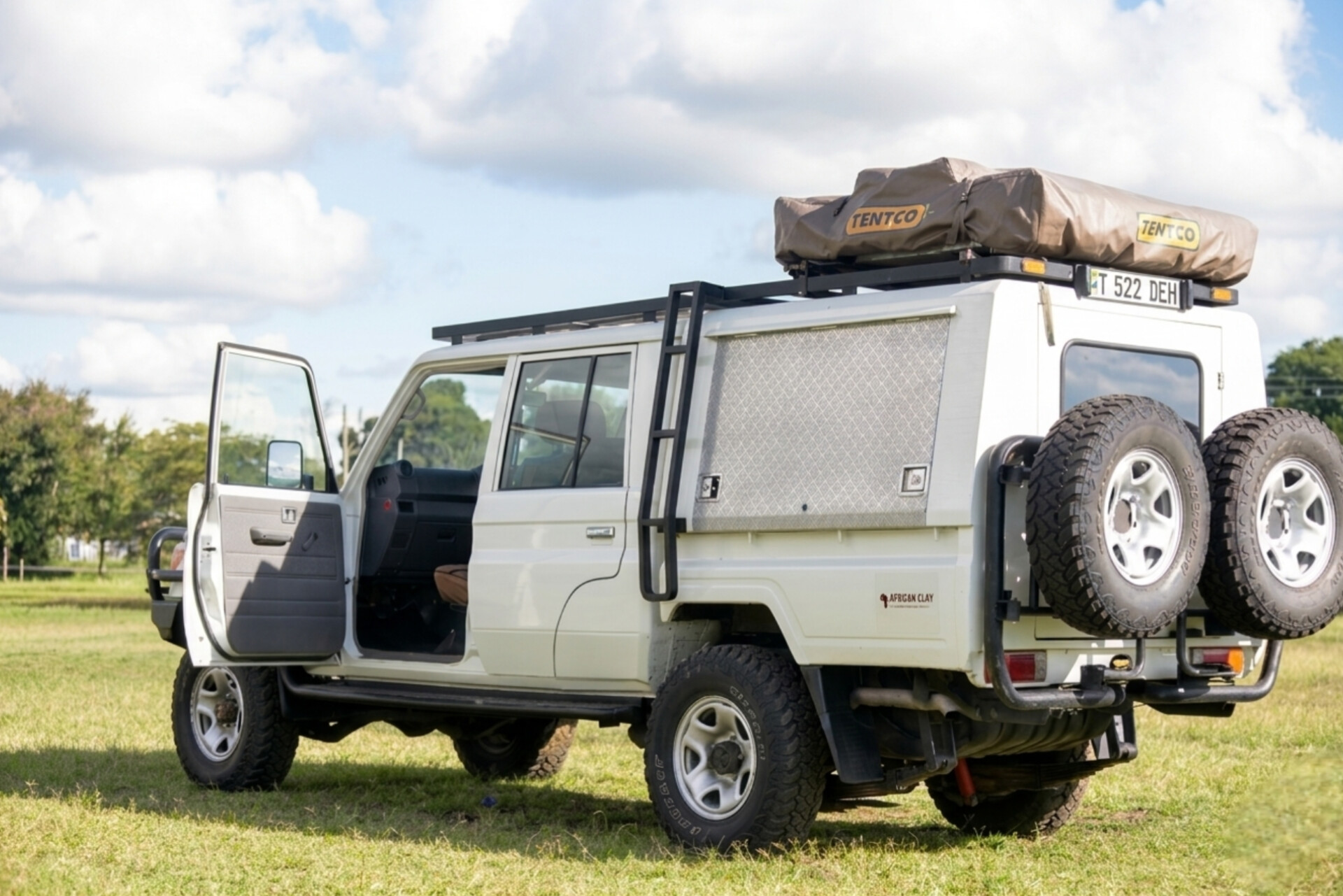
Choosing the right vehicle is one of the most important decisions when planning a self-drive safari in Tanzania. A reliable safari vehicle should be suitable for rough roads, long distances and changing weather conditions.
At African Clay Safaris, we focus on providing practical vehicles for travelers who want to explore Tanzania independently.
Depending on your travel style, you may choose a vehicle prepared for camping with equipment such as a rooftop tent, fridge, cooking equipment, recovery gear and navigation tools.
View Our Self-Drive VehiclesCan You Self-Drive in Serengeti National Park?
Yes, visitors can explore Serengeti National Park on a self-drive safari. The Serengeti is one of Tanzania's most famous destinations and offers opportunities to see wildlife across vast open landscapes.
However, driving in the Serengeti requires careful planning. Distances can be long, roads can be challenging and navigation is important because some areas are very remote.
Plan your route according to the season, your accommodation or campsite location and the amount of time available for game drives.
Can You Self-Drive to Ngorongoro?
The Ngorongoro Conservation Area is an important part of many Northern Tanzania safari routes. Self-drive travelers can include the Ngorongoro area in their itinerary, but it is essential to understand the applicable conservation area regulations, entry requirements and vehicle procedures before traveling.
Because regulations and fees can change, travelers should confirm current requirements before their journey.
Allow enough time in your itinerary for the Ngorongoro area. The journey, entry procedures and crater visit can take longer than expected.
How Do Tanzania National Park Fees Work?
Safari travelers may need to pay different types of fees depending on the national park or conservation area they visit. These can include park entry fees, vehicle fees, camping fees and other applicable charges.
Fees and payment procedures can change, so it is important to check the latest official information before your safari.
When planning a self-drive safari, always budget for park fees separately from your vehicle rental and camping costs.
Where Can You Camp on a Tanzania Self-Drive Safari?
Camping is one of the most exciting ways to experience a self-drive safari. Depending on your route, you may stay at designated campsites or accommodation facilities located near national parks and safari areas.
Always confirm that your chosen campsite is suitable for your vehicle and itinerary before traveling.
If you are camping inside or near wildlife areas, follow all campsite rules and listen carefully to instructions from campsite staff.
What Should You Pack for a Tanzania Self-Drive Safari?
Packing correctly can make your self-drive safari much more comfortable.
Recommended Essentials
- Comfortable lightweight clothing
- Warm layers for cool mornings and evenings
- Sun hat and sunglasses
- Sun protection
- Personal toiletries
- Reusable water bottle
- Power banks and charging cables
- Camera and binoculars
- Personal medication
- Headlamp or flashlight
- Offline maps and navigation tools
- Small daypack
If your rental vehicle includes camping equipment, confirm exactly what is provided before your trip so you only pack what you need.
What Happens If Your Vehicle Breaks Down?
Vehicle reliability is extremely important when traveling through remote safari areas. Before renting a vehicle, ask what support is available if you experience mechanical problems or a puncture.
African Clay Safaris provides roadside assistance support for its self-drive customers. Our goal is to help travelers enjoy their journey with greater confidence while exploring Tanzania.
Make sure you understand how to contact your rental company, where your recovery equipment is stored and what to do in case of an emergency.
Do You Need a 4x4 for a Tanzania Self-Drive Safari?
For a serious safari itinerary, a capable 4x4 vehicle is strongly recommended. Many safari routes include gravel roads, uneven tracks and areas where conditions can change during the rainy season.
A suitable 4x4 provides greater ground clearance and is better prepared for challenging conditions than a standard city car.
Your vehicle should also be equipped with suitable tyres, spare tyres and recovery equipment.
What Are the Roads Like in Tanzania?
Road conditions vary significantly depending on where you travel. Major highways between towns can be paved, while roads inside national parks and remote safari areas are often unpaved.
During the rainy season, some tracks can become more challenging. Driving times should therefore be treated as estimates rather than exact schedules.
A good self-drive itinerary should allow extra time for wildlife viewing, road conditions, photography and unexpected delays.
What Is the Best Time for a Self-Drive Safari in Tanzania?
Tanzania can be visited throughout the year, but the best time for your self-drive safari depends on your interests, destinations and preferred travel conditions.
Dry Season
The dry season is popular for wildlife viewing and generally offers easier driving conditions in many areas.
Green Season
The green season can bring beautiful landscapes, fresh vegetation and excellent photographic opportunities. Some roads may become more challenging depending on rainfall.
Choose your travel dates based on the wildlife experiences and destinations you want to visit rather than simply looking for one "perfect" month.